


A broker for beginners is not one promising profit or large bonuses; it is one where you can verify the entity, use demo and understand costs before using real capital.
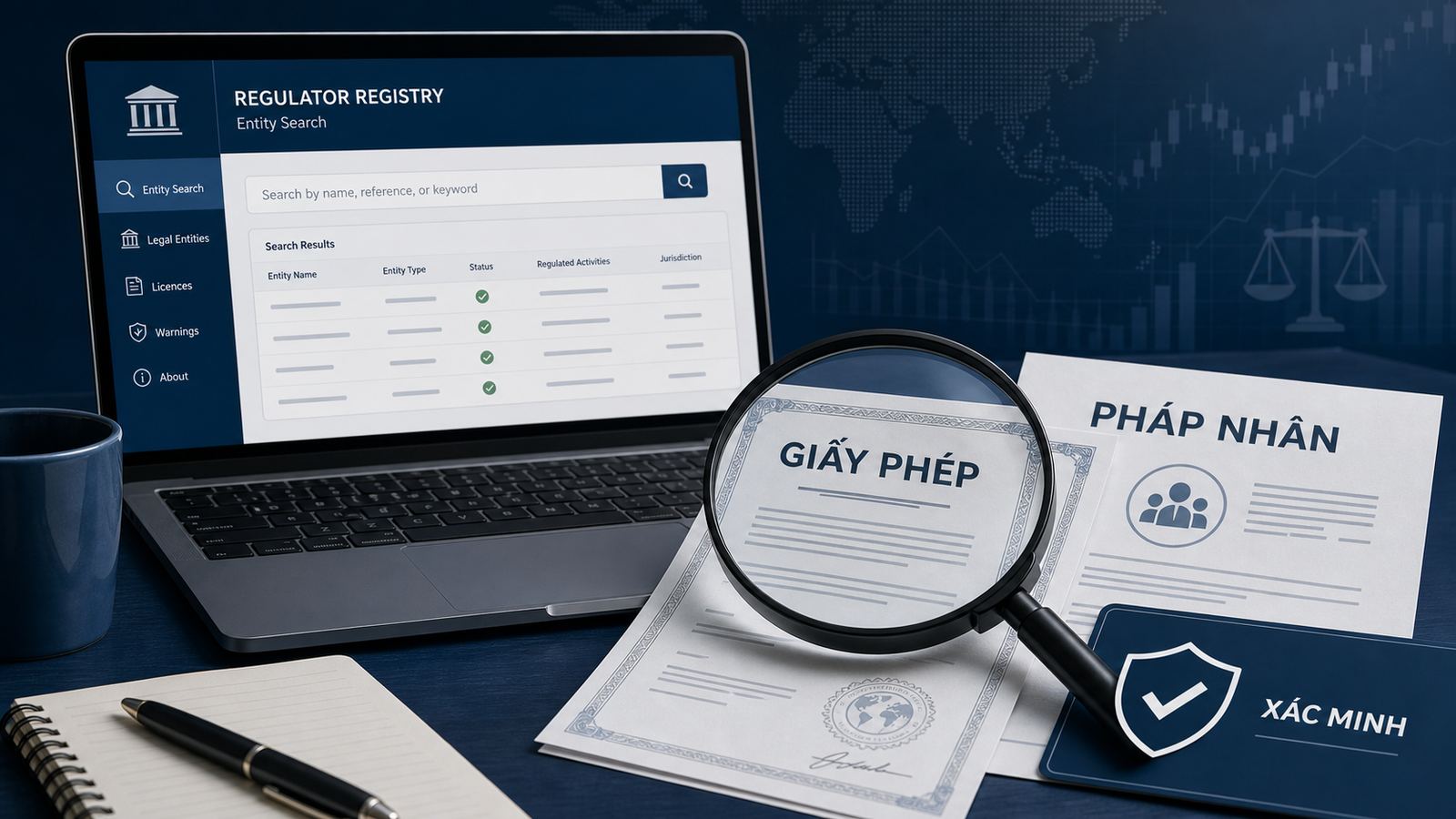
A decision checklist
- Verify the legal entity, regulation and region served.
- Use demo, practise orders and read full contract specifications.
- Compare total cost for the appropriate account and symbol—not headline spread only.
- Check funding/withdrawal, KYC, swap, margin/stop-out and official support.
- Consider live trading only with a trading plan and small risk.
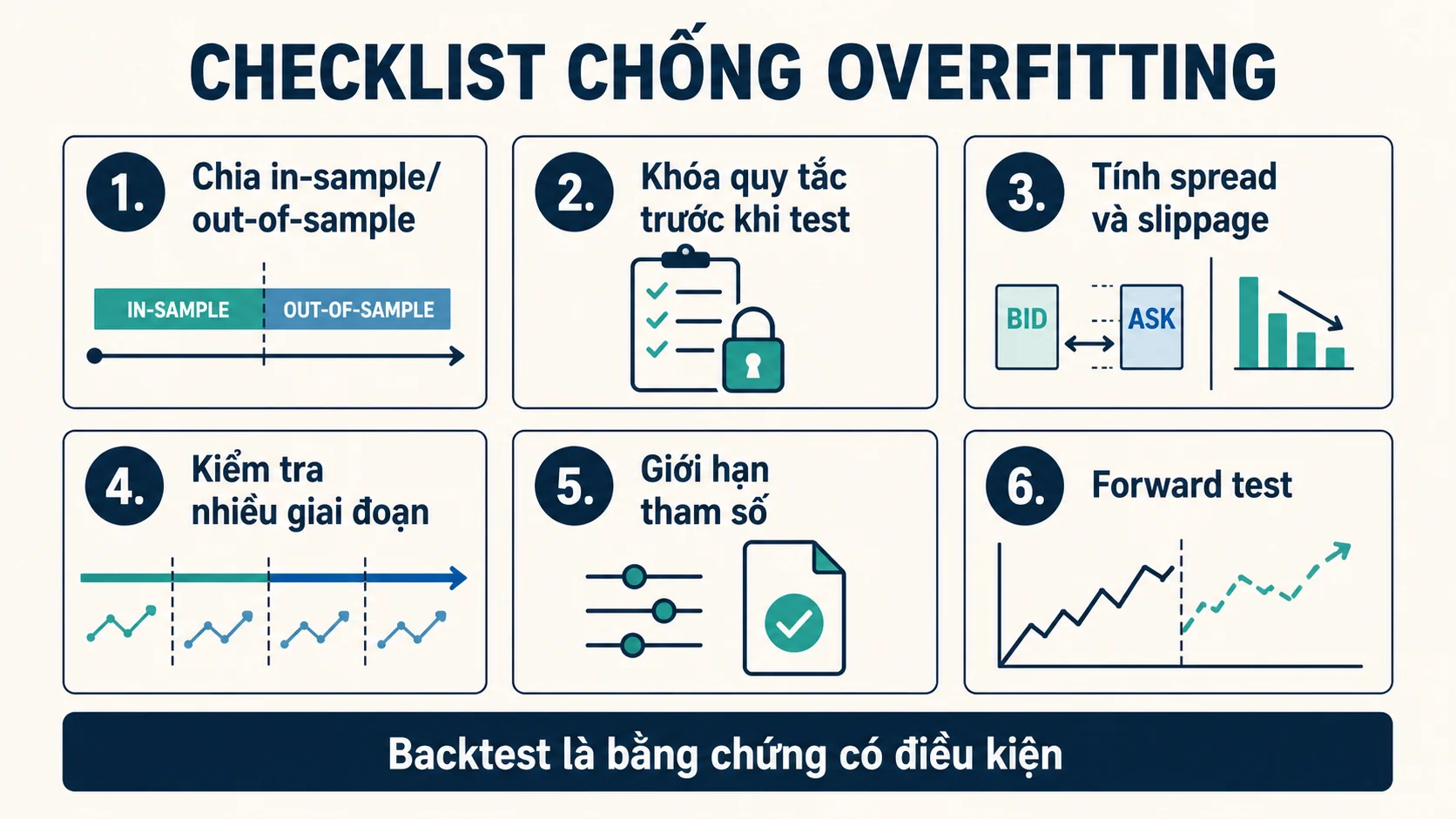
What beginners should check specifically
Prioritise understandable materials, demo, clear fee structure, ability to use small size based on a stop loss, and official support. Do not start with copy trading, paid signals or account terms you cannot explain.
No universal ranking
Suitability changes by country, entity, product, trading style and risk tolerance. This article therefore does not name a default broker. Use individual reviews as question sources, then check official terms before deciding.
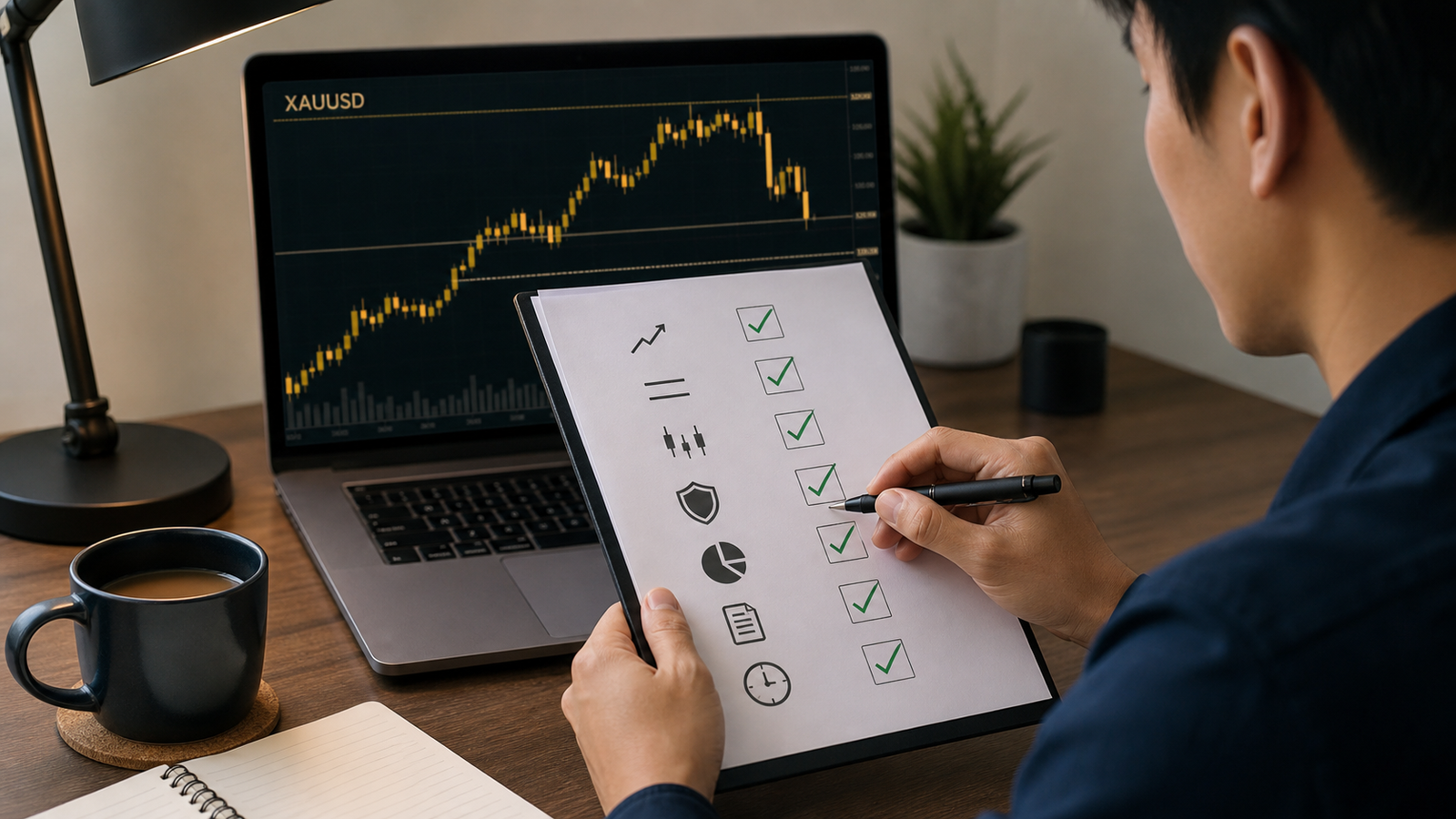
Continue learning
Read licence checks, cost measurement, the trading glossary and risk-based position sizing.
Risk disclosure: Forex/CFD trading can result in loss of capital. This is educational research, not investment advice or an invitation to open an account. Costs, trading conditions, serving entity and regional availability can change; review the official documents that apply to your account before funding it.