


Trading Glossary A–Z: Forex, Risk and Technical Analysis Terms
This trading glossary explains core terms in plain English and places each term in its proper market context. Use it for a quick definition, then continue to a guide, tool or research page when you need a practical method, a calculation or evidence.

Use the right page for the job
| Question | Best content type | Example |
|---|---|---|
| What does this term mean? | Glossary entry | Bid, ask, free margin |
| How should I use it? | Practical guide | Position sizing or order placement |
| What is the calculation? | Calculator | Margin, position size or ATR stop |
| Does the idea hold under rules? | Research / case study | Backtest, walk-forward or Monte Carlo |
Browse by topic
Forex and execution
Bid, ask, spread, slippage, market execution, requotes and partial fills. Start with Forex slippage explained.
Orders and platforms
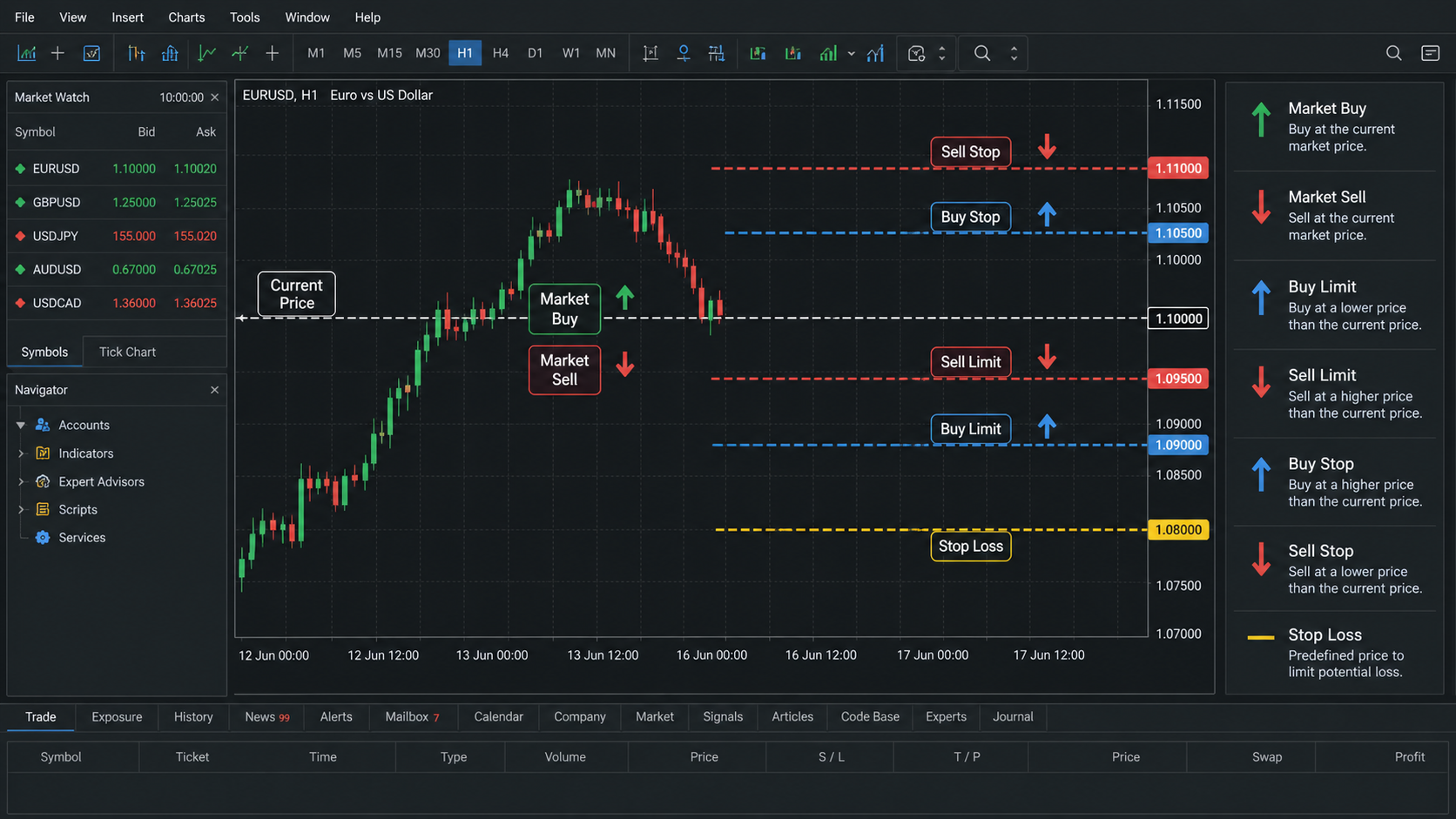
Market, limit, stop and pending orders; MT5 platform terms; long and short positions.
Risk and performance
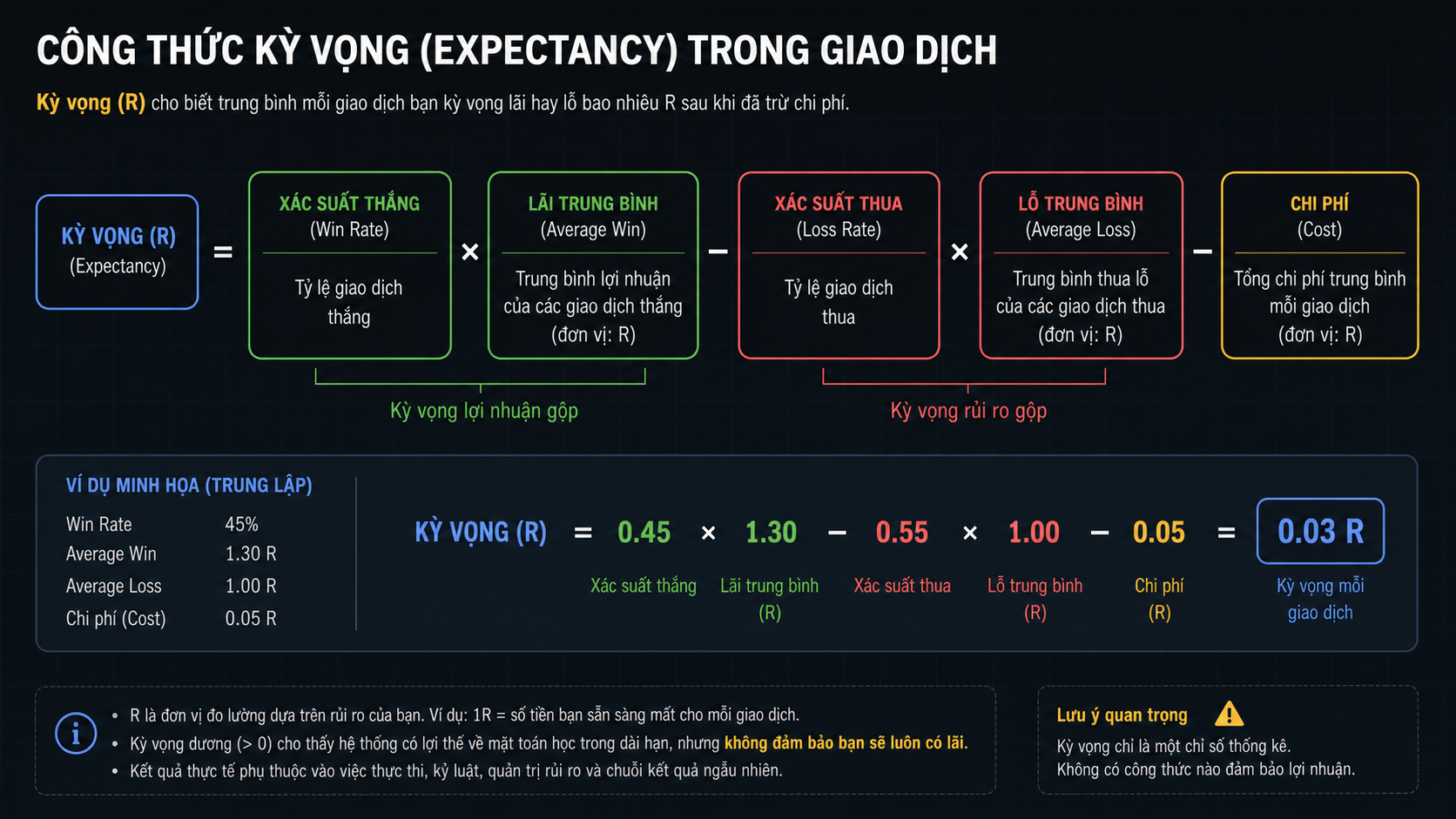
Margin, drawdown, R-multiple, profit factor, MAE/MFE, Sharpe and Sortino. See the risk-to-reward guide and position sizing formula.
Technical analysis
Market structure, candlesticks, indicators, Volume Profile and price action. Use the technical analysis frameworks guide for the wider map.
SMC, ICT and MSNR
Liquidity, fair value gap, order blocks, points of interest and zone-quality language. These frameworks are interpretive; treat their terminology as a structured hypothesis, not proven market intent.
Prop firms, brokers and regulation
Daily loss, trailing drawdown, payout split and broker execution terms vary by provider, legal entity and jurisdiction. Always read current official terms before making a financial decision.
Macro and market data
DXY, economic calendars, COT, yields, volume and data-feed limitations. Begin with how to read a Forex economic calendar.
Important context
Spot FX is decentralized, while exchange-traded futures report activity through a defined venue. A term such as volume, liquidity or delta can therefore mean something different depending on the market and data feed. The glossary will always state its scope where that distinction matters.
Sources and editorial standard
Definitions are written for education and reviewed against official regulatory, exchange, platform or academic sources where appropriate. Product rules, fees and legal availability can change; check primary sources and the date of verification.
Risk notice: This is educational information, not investment advice or a solicitation to trade. Examples are hypothetical. Trading can result in loss of capital, and past results do not guarantee future outcomes.
For derivatives terms and their data limits, read Open Interest in Trading: Futures, Crypto and Spot-Market Limits; Crypto Funding Rate Explained: Payments, Context and Risks.