


An FTMO review should start with the simulated environment, trading objectives and current terms—not with payout promises or ranking tables. FTMO’s official FAQ says that its programme uses simulated trading and that its accounts are demo accounts with fictitious funds; it also states that FTMO is not a broker and does not accept client deposits. That distinction should be understood before paying for any evaluation.

Method and verification date
This article checked FTMO’s official FAQ, Trading Objectives and Terms & Conditions on 13 August 2026. It is desk research, not a client-experience report, a “best firm” ranking or a referral landing page. Fees, platforms, products, jurisdiction coverage and rules can change.
What the official material supports
- FTMO describes a simulated environment; results and accounts should not be interpreted as a personal brokerage account.
- The FAQ and Trading Objectives explain evaluation structures, risk limits and trading-rule topics, which must be read for the exact programme selected.
- Programme labels do not replace the detailed current terms that govern eligibility and restrictions.
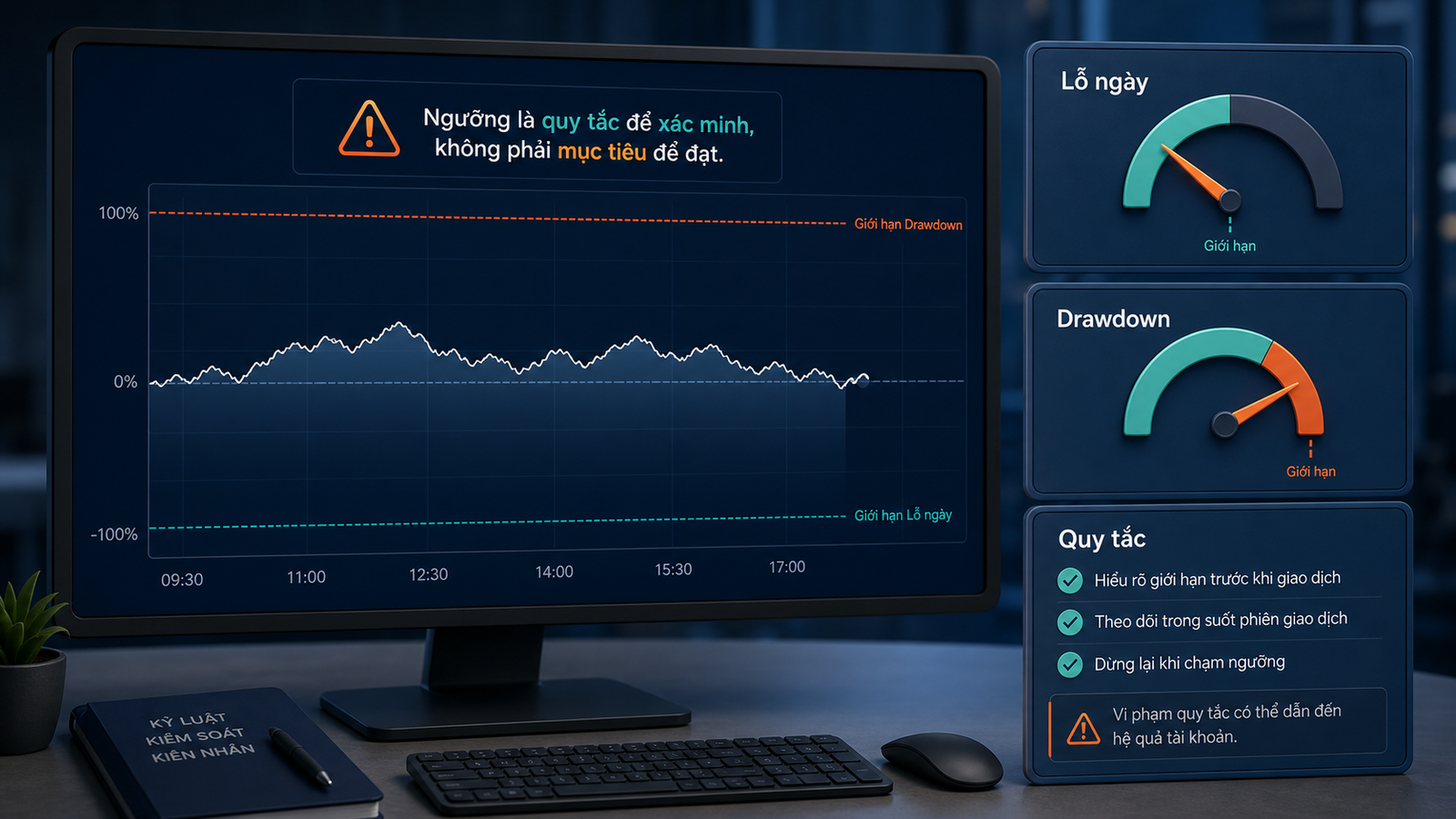
Pre-purchase due-diligence checklist
- Read the Trading Objectives for the account type and region you plan to use.
- Establish whether daily/maximum loss is balance- or equity-based, whether floating P&L counts and when reset occurs.
- Check news, overnight/weekend, EA, copying, IP/device and prohibited-practice rules.
- Read fees, any refund conditions, payout, KYC and rule-change policies from official pages.
- Forward-test your plan at a risk level meaningfully below the contractual boundary.
Strengths and limitations to view accurately
One positive of the public material is that FTMO provides an FAQ and Trading Objectives pages for comparison. Clear documentation does not make an evaluation suitable for every trader, however. A trader without a tested process, drawdown tolerance or understanding of equity rules can still face material risk.
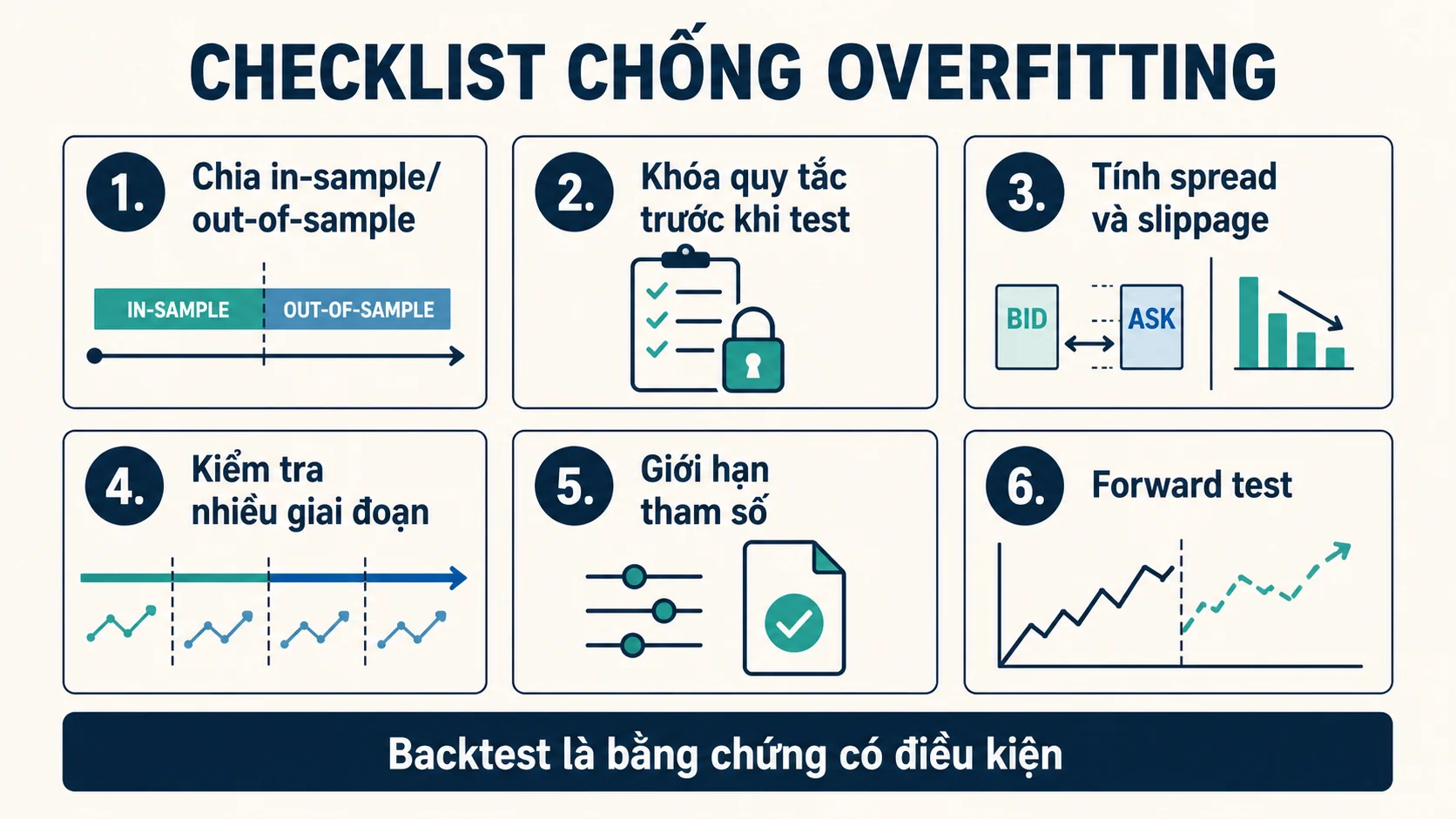
Who should research it further?
FTMO may warrant further research for someone with test data, position-sizing discipline and willingness to recheck rules when they change. It is not a sound starting point for anyone expecting guaranteed income, skipping demo work or unable to explain the programme’s loss limits in their own words.
Continue learning
Read what a prop firm is, one-step versus two-step challenges, prop-firm lot sizing and the Trading Glossary.
FAQ
Is FTMO a broker?
FTMO’s official FAQ says it is not a broker and does not accept client deposits. Check the current official wording before making a decision.
Does this review recommend signing up?
No. This is a research checklist. The decision depends on current terms, regional availability, costs and your own trading evidence.
Risk disclosure: This is educational information, not investment advice, a solicitation to trade or a promise of passing an evaluation. Prop-firm terms can change by programme, region and time. Trading can result in loss; verify official sources and your own risk limits.
Review method: separate official facts from editorial interpretation
This page should be read as a dated research record. First capture the exact FTMO product and account type. Then collect the current official rules for objectives, maximum loss, daily loss, trading days, news, overnight/weekend holding, platforms, prohibited practices, fees, rewards and legal entity. Only after those fields are captured should an editorial comparison discuss who may find the product operationally compatible. A review cannot establish that a trader will pass or receive a reward.
| Review field | Evidence required | What the page must not imply |
|---|---|---|
| Maximum/daily loss | Current official formula and reset time | One fixed percentage applies forever |
| Execution | Product description and account terms | A screenshot proves live fills |
| Restrictions | Product-specific FAQ/terms | All accounts have identical news/EA rules |
| Commercial terms | Fee, refund, reward and legal information | Past testimonials predict an outcome |
Chart-style due-diligence example
| Checkpoint | Illustrative observation | Required follow-up |
|---|---|---|
| Entry and stop | Risk is defined before the order | Compare with position-size and loss limits |
| Floating loss | Equity can move before a candle closes | Check whether the rule uses equity |
| Day boundary | A trade crosses midnight in one timezone | Record the provider’s reset time |
| News window | Spread/slippage may widen | Verify current account-specific restriction |
Failure cases include copying a rule from a different FTMO product, calling a demo environment “live market proof”, omitting the date checked, or presenting a current rule as permanent. Do not trade or buy when the legal entity, product version, loss calculation, complaint route or prohibited-practice list cannot be verified. The no-trade outcome is important because a low fee cannot compensate for an incompatible risk limit.
Before publishing, cross-check the position-size calculation, loss-limit definitions, drawdown mechanics, learning path and risk–reward explanation. Checked 16 September 2026. Primary references: FTMO Trading Objectives and FTMO Challenge overview.
Failure, invalidation and no-trade
Failure case: A provider review becomes stale when the product version, loss formula, news policy or legal terms change. Invalidate the conclusion when the current official rule page cannot be verified. Do not trade or buy an account when the entity, drawdown calculation, refund terms or prohibited practices remain unclear.