


Quick answer: Use ICT killzones as observation windows, not automatic signals; learn how to test session ranges, Judas Swings and invalidation.
ICT killzones are time windows used by ICT traders to focus on session liquidity and volatility; they are not a clock that produces an entry. Convert the schedule for daylight-saving changes, your broker server and your local time.
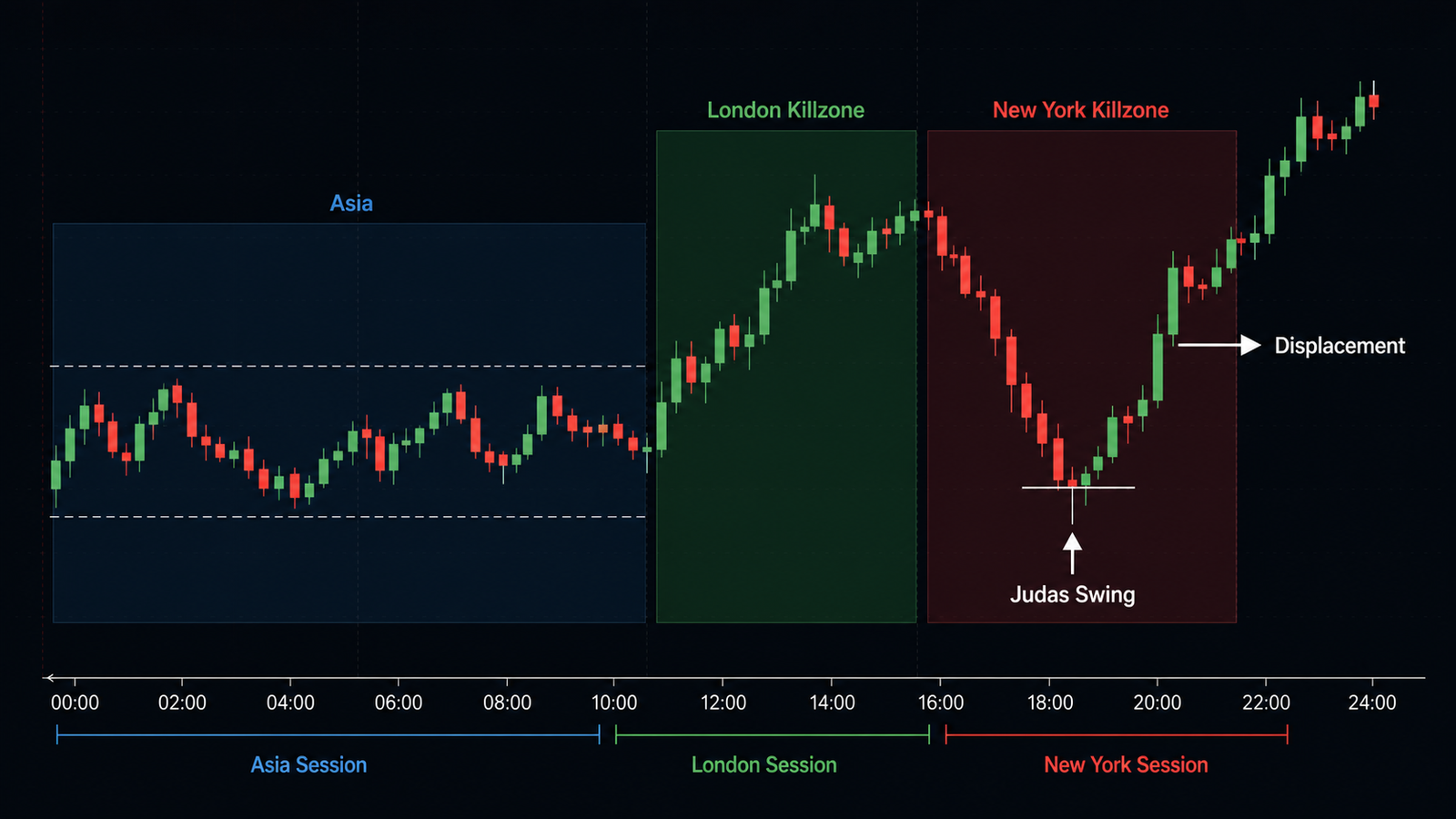
Why use a killzone?
A defined window lets a trader record the session range, liquidity test and response instead of watching every candle. Asia, London and New York are common labels, but the exact hours are not universal.
Judas Swing as a hypothesis
A Judas Swing describes an early move against the expected direction before a reversal. Test the idea: did price sweep a reference range, close back inside and displace, or did it simply break and accept?
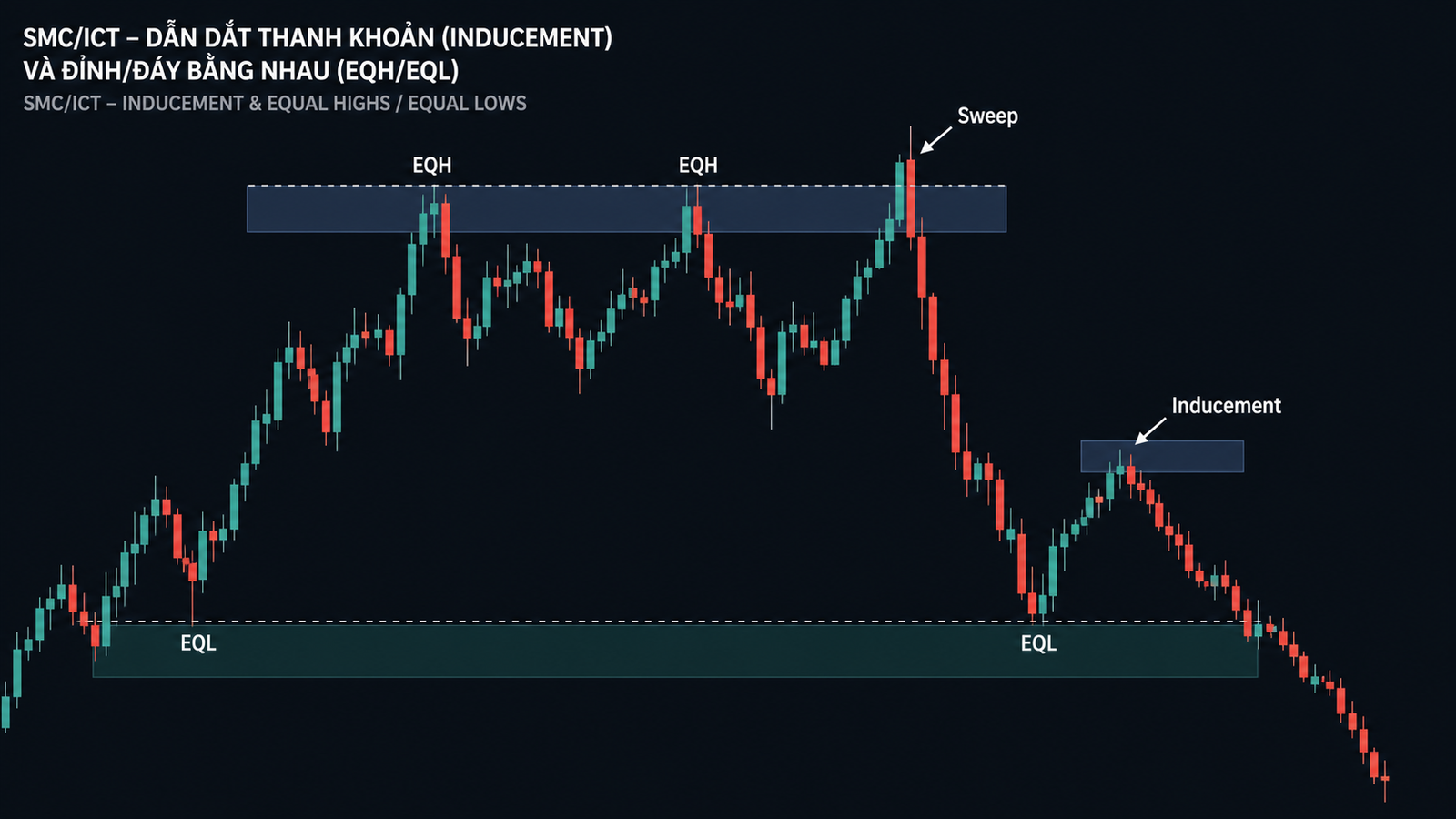
Confirmation workflow
- Record the server timezone and convert it consistently.
- Mark the reference range, scheduled news and spread conditions.
- Wait for a close after the sweep; do not chase the first candle.
- Define invalidation before considering a retest.
When does the session framework fail?
Major news, abnormal spread, a very wide opening range or prolonged chop can remove the edge. A move that occurs inside a named window is not automatically a Judas Swing.
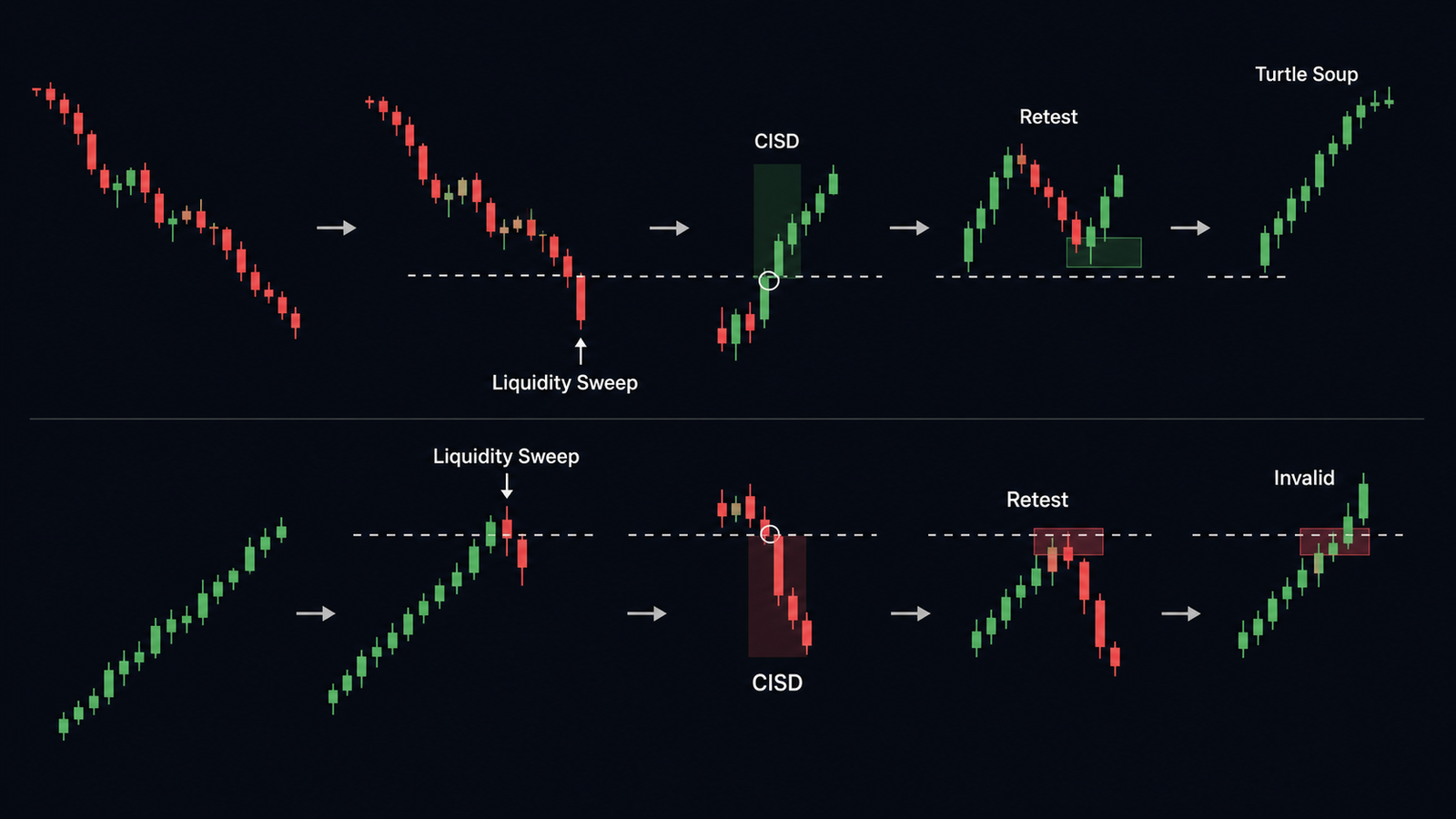
Journal checklist
- Which session and timezone were used?
- How wide was the opening range?
- Was there a sweep and confirming close?
- What were invalidation, costs and net result?
Read the ICT foundation and liquidity guide; keep killzone timing inside a broader plan.
Sources
- MetaTrader 5 Help: Symbol Specification – verify instrument specifications.
- CFTC: Eight Things You Should Know Before Trading Forex – leverage and foreign-exchange risk context.
Risk notice: SMC/ICT terms are discretionary analytical frameworks, not official market rules or investment advice. Trading involves the risk of loss. Examples are hypothetical, not current signals. Test any rule, control position risk and make your own decisions.
Updated: 2026-10-03. Examples are hypothetical, not current trade signals.