


order block trading An order block is practitioner terminology for a candle or compact zone near the origin of a directional move that traders may monitor on a return. A chart cannot confirm that institutions placed orders there, and not every last opposing candle is a meaningful reaction area. The method should be treated as a testable chart-reading framework rather than a forecast. Before using it, define the market condition, confirmation event, invalidation price, transaction costs and maximum risk. This guide explains the rules, a repeatable workflow, common failure modes and the most relevant supporting concepts.
Definition: What Is an Order Block?
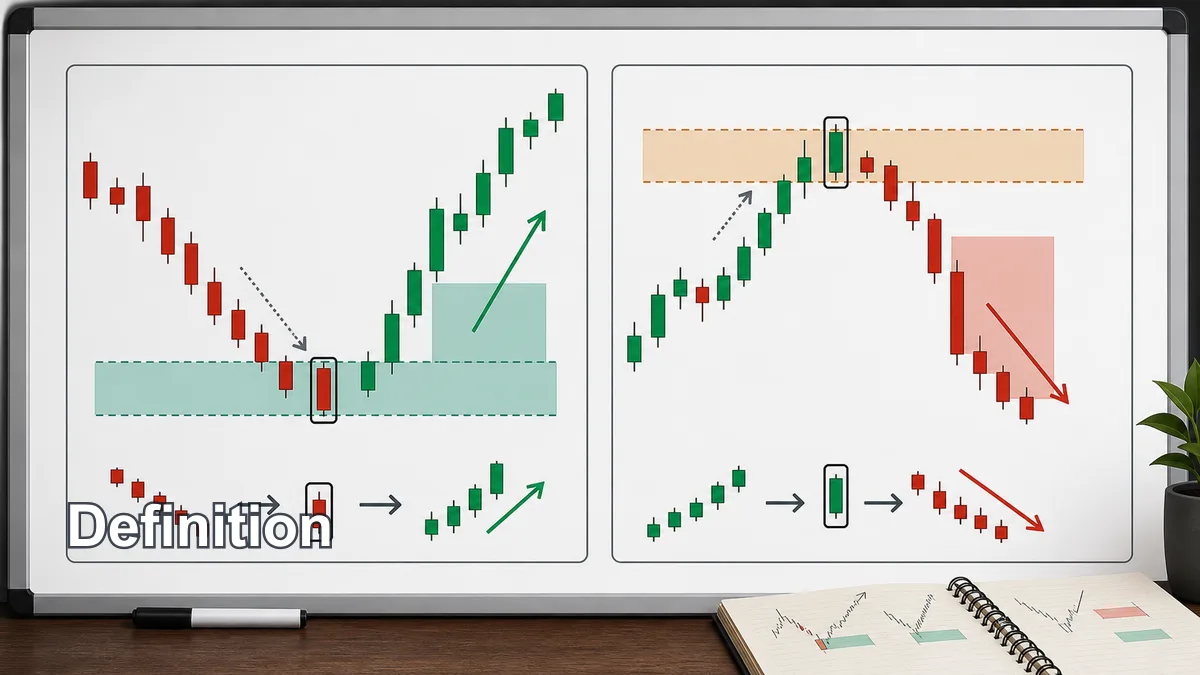
In order block trading, an order block is commonly treated as the last opposing candle or small consolidation before a strong move away. A bullish order block may be the last bearish candle before price rallies with displacement. A bearish order block may be the last bullish candle before price sells off with displacement.
The useful part is not the candle alone. The useful part is the story around the candle. Did price take liquidity first? Did the move away break market structure? Did it leave an imbalance? Did it happen at a higher-timeframe level? Did the later retest create confirmation? These questions decide whether the order block is a meaningful POI or only a random box.
A well-defined order block should help the trader define a clear plan. It should show where price may react, where the idea becomes invalid, and where the next target may be. If an order block is too wide, too hidden, or too detached from context, it becomes difficult to trade responsibly.
It is also important to separate order block analysis from prediction. An order block is not proof that banks or institutions will defend the level. It is a framework for studying where strong movement began and whether price responds when it returns. The trader still needs confirmation and risk control.
How to Identify well-defined Order Block POIs
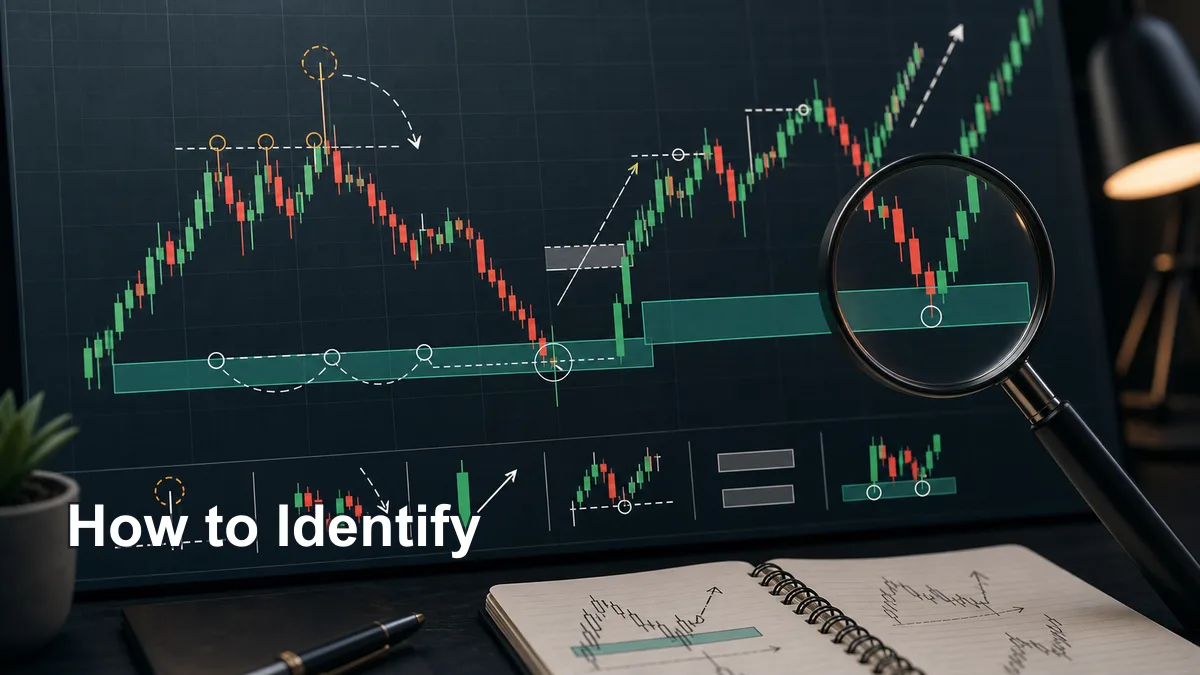
Start with market context. Before marking any order block, decide whether the market is trending, ranging, reversing, or reacting from a higher-timeframe level. A bullish order block inside a strong uptrend is different from a bullish order block directly under major resistance. Context prevents you from drawing boxes everywhere.
Next, look for liquidity. Order blocks become more meaningful when they form after buy-side or sell-side liquidity has been taken. For example, price may sweep sell-side liquidity below equal lows, reclaim the level, and then rally with displacement. The origin of that rally may become a bullish order block POI.
Then require displacement. A well-defined order block should cause a clear move away, not a slow drift. Strong candles, wide range movement, an imbalance, or a decisive break of structure can all show intent. If price barely moves away from the zone, the order block is weaker.
After that, check structure. A bullish order block is stronger if the move away breaks a meaningful swing high or shifts lower-timeframe structure upward. A bearish order block is stronger if the move away breaks a meaningful swing low or shifts structure downward. Structure gives the POI a reason to matter.
Finally, refine the zone. Some traders use the full candle range. Others use the body, the open-to-close area, or the most efficient part of the consolidation before displacement. The zone should be broad enough to handle normal wick noise but not so wide that risk becomes unreasonable.
Why Order Blocks Work as POIs
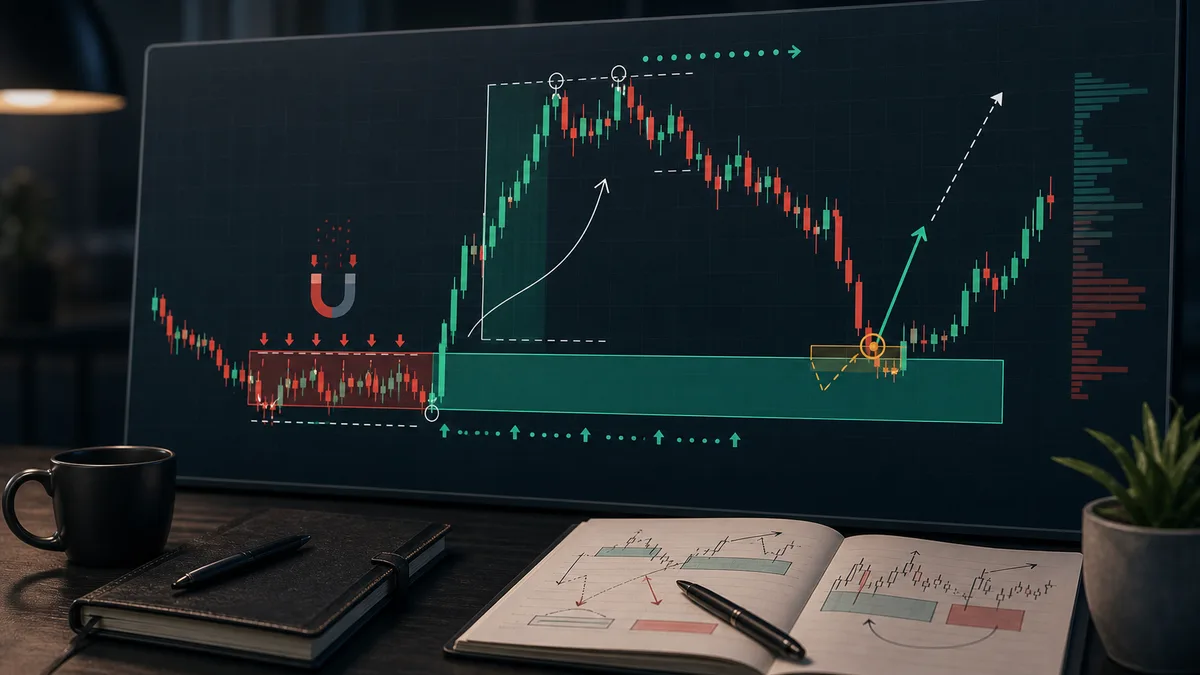
Order blocks work as POIs because they focus attention on the origin of a strong move. When price leaves an area aggressively, it tells the trader that something changed there. Buyers may have overwhelmed sellers, sellers may have overwhelmed buyers, or a liquidity event may have created enough fuel for displacement.
When price returns to that origin area, traders watch whether the market defends it. A bullish order block may attract buyers if the broader structure still supports the long idea. A bearish order block may attract sellers if the broader structure still supports the short idea. The retest is the moment where the theory has to prove itself.
Order blocks also help define risk. A bullish POI that should hold demand gives the trader a logical invalidation area below the block or below the sweep low. A bearish POI gives a logical invalidation area above the block or above the sweep high. This makes the setup easier to plan than a late entry after displacement has already occurred.
The concept becomes weaker when traders remove context. A candle before a move is not enough. The best order blocks usually appear after liquidity has been taken, break structure with intent, and leave enough target space toward the next opposing liquidity pool.
Step-by-Step Order Block Trading Usage
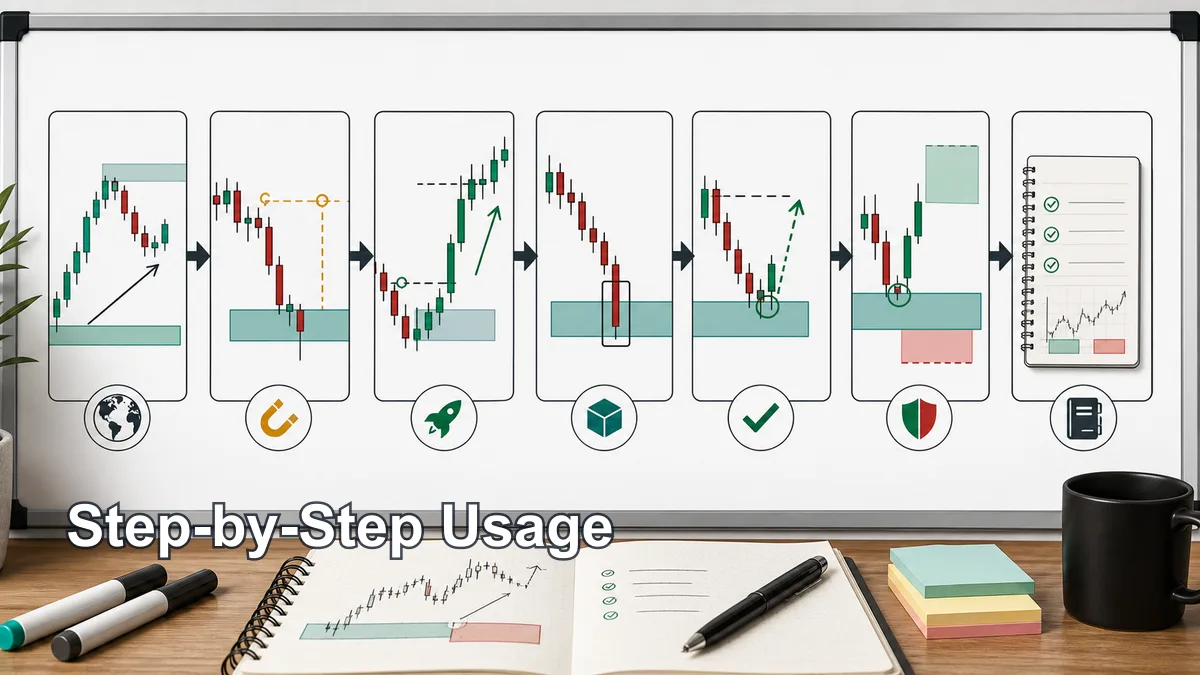
Step one is higher-timeframe context. Mark the current trend, range, major support or resistance, and active liquidity pools. If the higher timeframe is unclear, the order block on the lower timeframe will be easier to force.
Step two is liquidity. Ask which pool has just been taken or which pool price may be targeting. A bullish order block after sell-side liquidity is taken can be cleaner than a bullish block formed randomly in the middle of a range. A bearish order block after buy-side liquidity is taken can be cleaner than a bearish block with no sweep or context.
Step three is displacement and structure. Wait for price to move away from the candidate zone with force. Ideally, the move should break a meaningful swing point and leave an imbalance or visible momentum. This step filters many weak blocks.
Step four is selecting the POI. Mark only the best order block, not every candle before the move. If two zones are close together, choose the one with cleaner displacement, clearer invalidation, and better alignment with the higher timeframe.
Step five is waiting for return and confirmation. Price returning to the order block is not an entry by itself. Watch for rejection, lower-timeframe structure shift, displacement away from the POI, or a clean retest pattern. Step six is execution: define entry, invalidation, target, and position size before taking risk.
Step seven is review. Save screenshots of winning trades, losing trades, missed trades, and invalidated POIs. Over time, your journal will show whether your order block rules are specific enough or whether you are simply drawing boxes after the fact.
Confirmation Rules for Order Block Trading
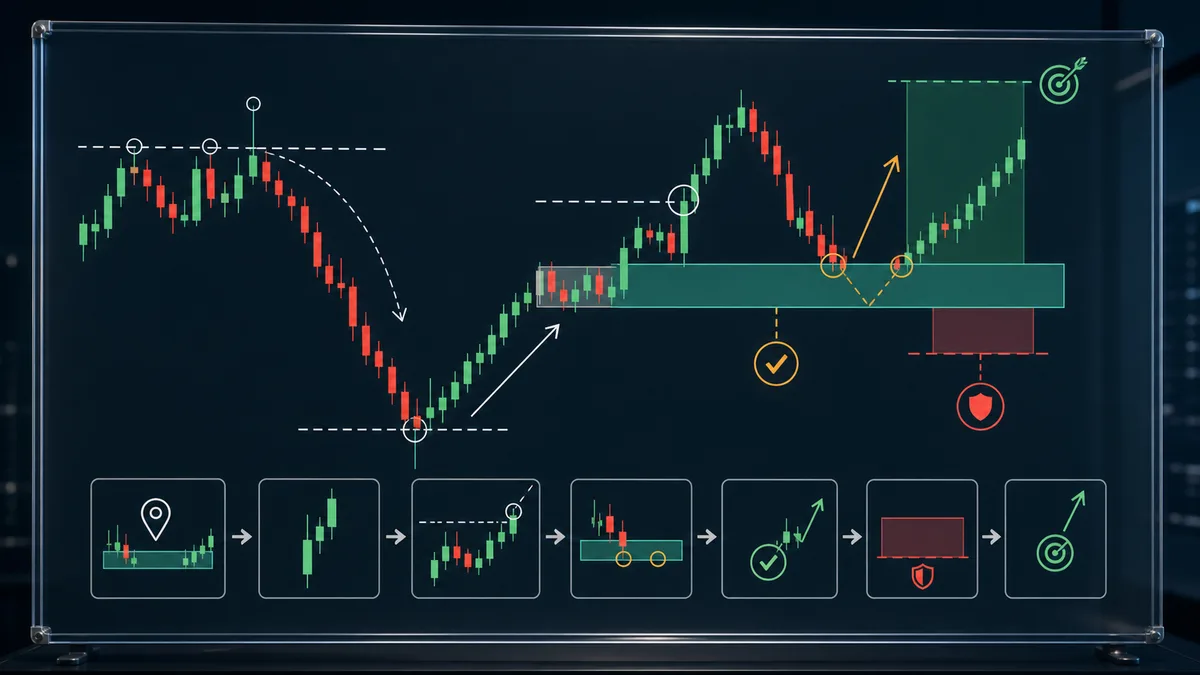
The first rule is meaningful location. The order block should form at or near a level that matters: a higher-timeframe POI, a liquidity sweep, a range boundary, a premium-discount area, or a major support or resistance zone. Location gives the block context.
The second rule is displacement. The move away should be strong enough to show intent. A block that creates a clear break of structure is usually more useful than a block that only creates a small bounce. Displacement is the evidence that the zone changed the market state.
The third rule is clean invalidation. Before entry, know where the idea is wrong. If a bullish order block should hold, accepting below the block may weaken the idea. If a bearish order block should hold, accepting above the block may weaken the idea. The stop should match the logic, not the trader’s comfort level.
The fourth rule is reaction on retest. Price should show some evidence at the POI: rejection, a lower-timeframe shift, displacement, or failure to accept through the zone. The fifth rule is target space. Even a clean order block can be poor if the next opposing liquidity is too close.
The sixth rule is execution quality. Spreads, news, and thin sessions matter. Investor.gov explains that market orders guarantee execution but not execution price. For short-term traders, that reminder matters because a clean POI can still produce poor fills during fast conditions.
Examples of Order Block Trading
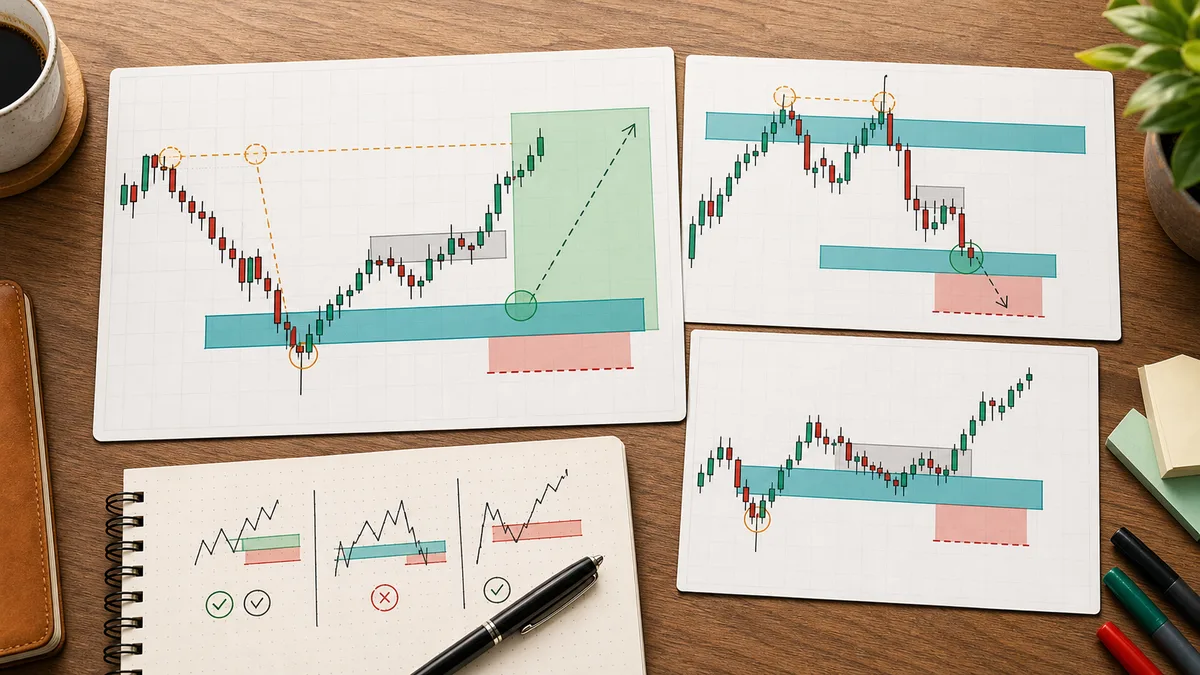
Example one: price sweeps sell-side liquidity below equal lows and quickly reclaims the range. It then rallies with displacement and breaks a short-term swing high. The last bearish candle before the rally becomes a bullish order block POI. When price retraces into the zone and forms a lower-timeframe shift higher, a long idea may form with invalidation below the block or sweep low.
Example two: price sweeps buy-side liquidity above a previous high, fails to hold, and sells off with strong displacement. The last bullish candle before the selloff becomes a bearish order block POI. If price returns to that area and rejects, a short idea may form with invalidation above the block or sweep high.
Example three: price breaks structure higher, but the candidate order block sits directly below higher-timeframe resistance and has very little target space. The block may be technically visible, but the trade quality is poor. A disciplined trader may skip it because the next obstacle is too close.
Example four: a trader marks a bullish order block, price returns, and immediately accepts below it. The POI failed. That failure is useful information. It may suggest the market is reaching for deeper sell-side liquidity or that the bullish context was weaker than expected.
Common Order Block Trading Mistakes
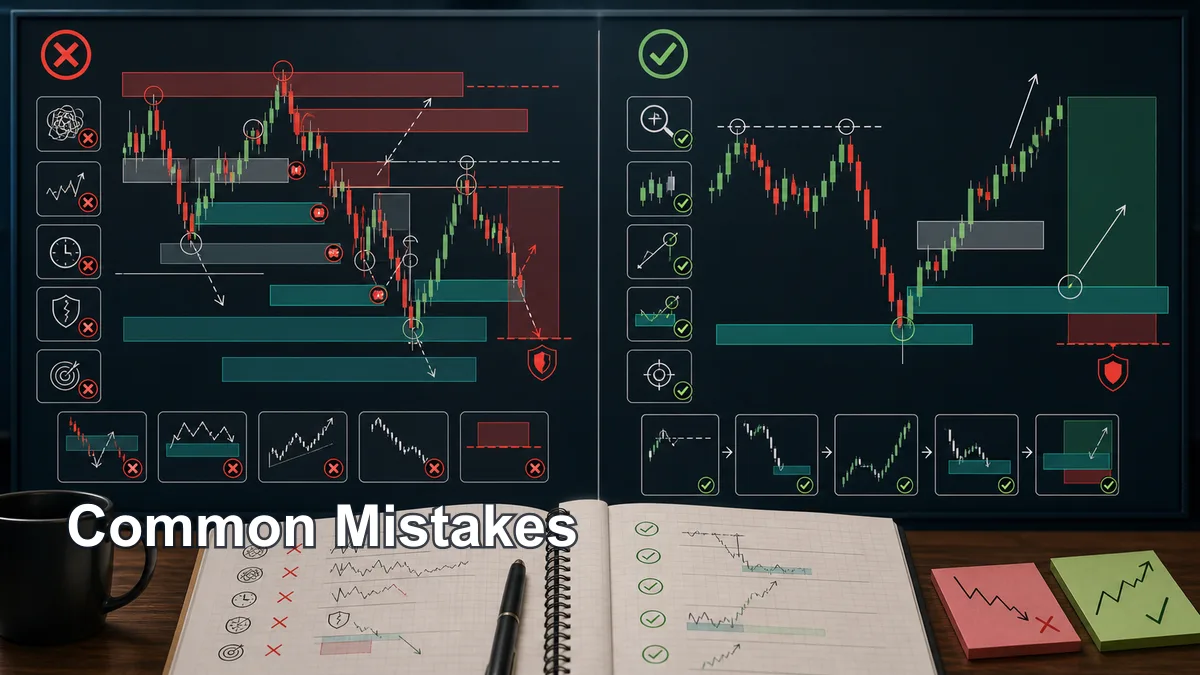
The first mistake is marking every candle before a move as an order block. A useful order block needs context, displacement, structure, and a reason for price to react later. Without those pieces, the trader is only decorating the chart.
The second mistake is entering on first touch. A return to a POI is only a location. It becomes a trade idea after price reacts. Entering without confirmation may work occasionally, but it also exposes the trader to order blocks that are being broken and accepted through.
The third mistake is ignoring liquidity. Order block trading becomes stronger when the block forms after a sweep or near a visible liquidity pool. If there is no liquidity story, the POI may still work, but the setup has less explanation behind it.
The fourth mistake is drawing zones that are too wide. A wide block can make almost any reaction look valid, but it often creates poor risk. The zone should be precise enough to plan invalidation while still allowing normal wick noise.
The fifth mistake is reviewing only perfect screenshots. Real order block trading includes missed retests, failed blocks, late entries, news-driven spikes, and trades with poor target space. Study all of them. The clean way to use order blocks is to start with context, require liquidity and displacement, wait for retest confirmation, define invalidation, and journal the outcome.
Key takeaways
- An order block is practitioner terminology for a candle or compact zone near the origin of a directional move that traders may monitor on a return.
- A chart cannot confirm that institutions placed orders there, and not every last opposing candle is a meaningful reaction area.
- Require a defined origin, observable displacement, structural relevance and a separate trigger on the retest.
- A valid plan separates location, trigger, invalidation, position size and exit logic.
A validation workflow you can reproduce
- Define the sample: choose the market, timeframe, session and date range before reviewing outcomes.
- Write the rule: Require a defined origin, observable displacement, structural relevance and a separate trigger on the retest.
- Record invalidation: identify the observable price event that disproves the setup.
- Include execution costs: account for spread, commission and slippage where relevant.
- Validate separately: test the finished rule on data that was not used to create it.
When this concept is unreliable
Order-block analysis is unreliable when zones are drawn after the rally or decline and expanded until they contain the later reaction. Keep failed and skipped examples in the journal so the review is not limited to attractive winners.
Use this concept within a complete analysis
This method should remain connected to its parent framework and adjacent decision steps. Use Smart Money Concepts: Complete Trading Guide, Point of Interest in Trading: Complete Guide, Breaker Block Trading Guide, ICT Trading: Complete Beginner Guide, Liquidity in Trading: Complete Guide and Buy-Side Liquidity and Sell-Side Liquidity Explained to compare definitions, establish context and avoid treating one signal as a complete trading system.
References and methodology
Terminology note: SMC, ICT and MSNR terms are practitioner conventions, not standardized exchange or regulatory definitions. This article defines the convention it uses and avoids inferring participant identity from candles alone.
Practise before considering real capital
Use historical charts or a demo account to test the written rules before considering live execution. Review the Exness account and demo information. Availability, protections and trading conditions depend on jurisdiction, so review the applicable legal documents yourself.
Affiliate disclosure: Học Làm Trader may receive a commission if you open an account through this link, at no additional cost to you. This relationship does not determine the educational conclusions.
Risk warning: This article is for education and general information only. It is not investment advice, a trade signal or an invitation to trade. Trading can result in loss of capital, and past examples do not guarantee future results. Assess your own circumstances and risk tolerance.