


fresh vs tested MSNR levels A fresh MSNR level has not been revisited after its defining departure, while a tested level has already received one or more returns. Freshness is a descriptive filter, not direct evidence of remaining orders or a guaranteed bounce or rejection. The method should be treated as a testable chart-reading framework rather than a forecast. Before using it, define the market condition, confirmation event, invalidation price, transaction costs and maximum risk. This guide explains the rules, a repeatable workflow, common failure modes and the most relevant supporting concepts.
What Fresh vs Unfresh SNR Means in MSNR
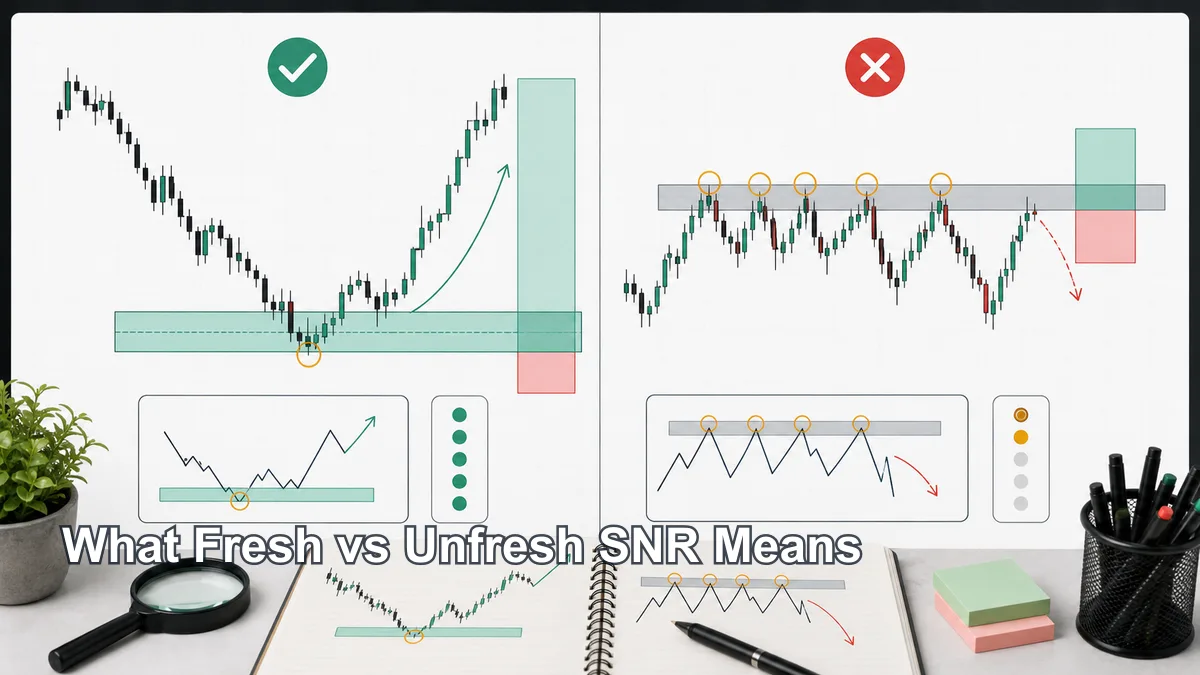
In MSNR, a fresh level is a support or resistance zone that has not been significantly retested after it was created. For example, price may form a strong reaction from a zone, leave the area with momentum, and then return for the first time later. That first return is often what traders call a fresh test.
An unfresh level is a zone that has already been tested several times or consumed by repeated price interaction. The more price returns to the same area, the more the trader should question whether the zone still has the same quality. Repeated testing can reduce the clarity of the level, create choppy reactions, and make stop placement harder.
Freshness is not magic. A fresh SNR level can fail immediately. An unfresh level can still produce a reaction, especially if it belongs to a higher timeframe or sits at a major market structure area. The point is not to make a fixed rule that fresh always wins and unfresh always fails. The point is to grade the level before treating it as a trade location.
The easiest way to understand freshness is to think about order flow in a simplified way. A support or resistance zone may attract orders, stops, entries, exits and hedging activity. When price interacts with that zone multiple times, some of that activity may be filled, absorbed or changed. The visible result can be weaker reactions, more noise, or a level that eventually breaks.
MSNR traders often combine freshness with other filters:
- Was the level created by a strong reaction or weak pause?
- Is the zone based on clean candle body and close-open logic?
- How many times has price already returned to it?
- Did each retest produce weaker or stronger reactions?
- Does the zone align with higher-timeframe context?
- Where is invalidation if the level fails?
A fresh level with poor context may still be low quality. An unfresh level with strong higher-timeframe importance may still deserve attention. Freshness is one filter inside the decision, not the whole decision.
Why It Matters Before Taking a Trade
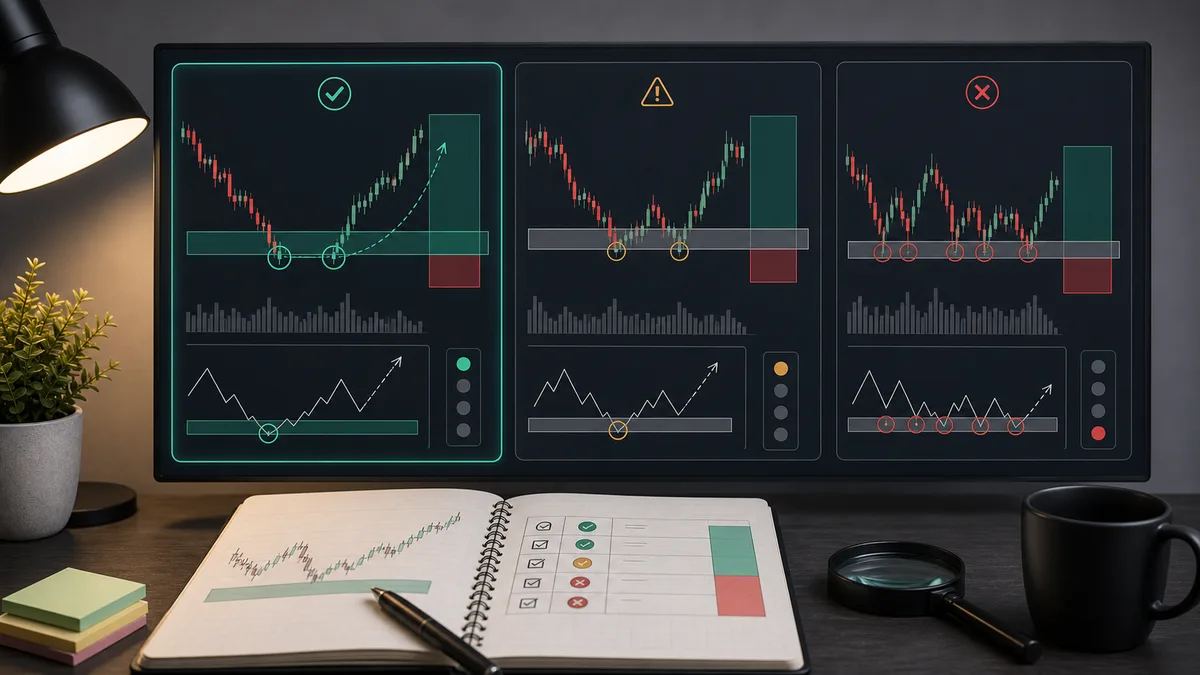
Fresh vs unfresh SNR matters before a trade because level quality affects trade quality. Many traders make the mistake of seeing a historical reaction and assuming the zone is still strong. They enter when price returns, only to discover that the level has already been tested too many times or no longer has clean structure.
A fresh level can be useful because it may offer a cleaner first reaction. The trader can often define the zone more clearly, see the approach into the area, and place invalidation around a cleaner structure. Again, this does not guarantee success. It simply gives the trader a cleaner situation to evaluate.
An unfresh level can be more difficult because price may have already interacted with it several times. The zone may become wider, messier, and harder to define. Traders may place stops in obvious areas, enter late, or confuse a weak bounce with a high-quality reaction. If the level has already been used many times, the next test may be more likely to chop, sweep or break.
This matters especially for beginner and intermediate traders because they often rely on the visual strength of a level. A level with many touches can look important, but many touches do not always mean high quality. Sometimes it means the zone is being weakened. The trader needs to read the reaction quality, not just count touches.
Freshness also helps with patience. If a zone is unfresh and unclear, the best decision may be to wait for a cleaner level or skip the trade. Skipping is part of trading discipline. A trader does not need to turn every support and resistance area into an entry plan.
Most importantly, freshness helps risk planning. A cleaner level can make invalidation easier to define. A messy unfresh zone may require a wider stop, a smaller position, or no trade at all. The purpose is not to avoid every losing trade. The purpose is to avoid taking trades where the level quality and risk structure are poor from the beginning.
Step-by-Step Chart-Reading Workflow
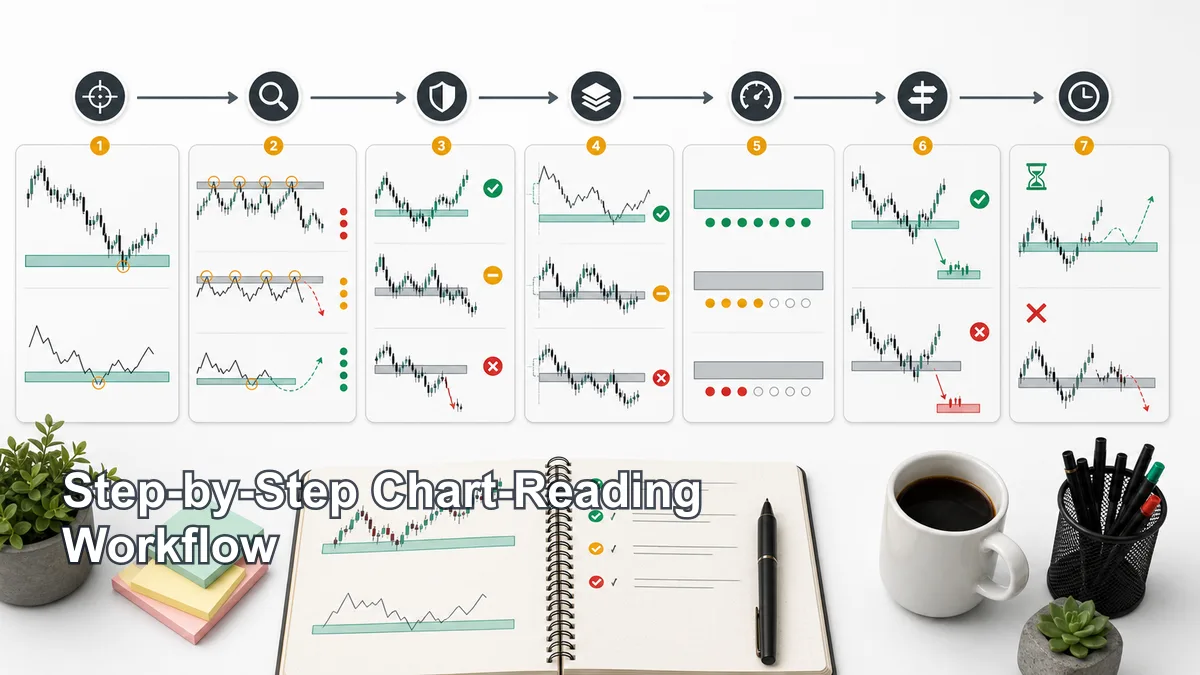
Use this workflow to grade zone quality before looking for entries. It is designed for practice and review, not as a guarantee that a level will hold.
Step 1: Mark the original zone. Identify where the support or resistance level was created. Look for a meaningful reaction, clean candle body structure, or a close-open zone that led to a strong move away. If the origin is unclear, the freshness grade will also be unclear.
Step 2: Count meaningful returns, not every tiny touch. A retest matters when price returns to the working zone and interacts with it in a visible way. Do not count every small wick or nearby candle as a full test. Focus on meaningful returns that could have filled orders or changed the level quality.
Step 3: Judge reaction strength. After each return, ask whether price reacted strongly, weakly, or messily. A strong rejection may suggest the zone still has interest. A weak bounce followed by another return may suggest the level is losing quality. Reaction strength matters more than the number of touches alone.
Step 4: Check whether the zone has widened. Fresh zones are often easier to define. Unfresh zones may become wider because price has chopped through different parts of the area. If the zone becomes too wide, the stop-loss distance may become too large for the trade plan.
Step 5: Compare with higher-timeframe context. A lower-timeframe unfresh level may be weak, but a higher-timeframe level may still matter. Always ask whether the zone belongs to a bigger structure, range edge, trend pullback, or major decision area.
Step 6: Grade the level. A simple grade can be use, wait or skip. Use means the level is clean enough to watch for a trigger. Wait means the level may matter, but price behavior is not clear yet. Skip means the zone is too messy, overused, or poorly located for your plan.
Step 7: Record the decision before the outcome. Save the chart and write why you graded the level fresh, partially tested, or unfresh. This keeps your review honest. Do not change the grade after seeing whether price reacted.
This workflow is valuable because it turns freshness from a vague feeling into a reviewable decision. Over time, you can compare your fresh-level trades, unfresh-level trades and skipped trades to see whether the filter actually improves your process.
Entry, Invalidation and Stop-Loss Logic
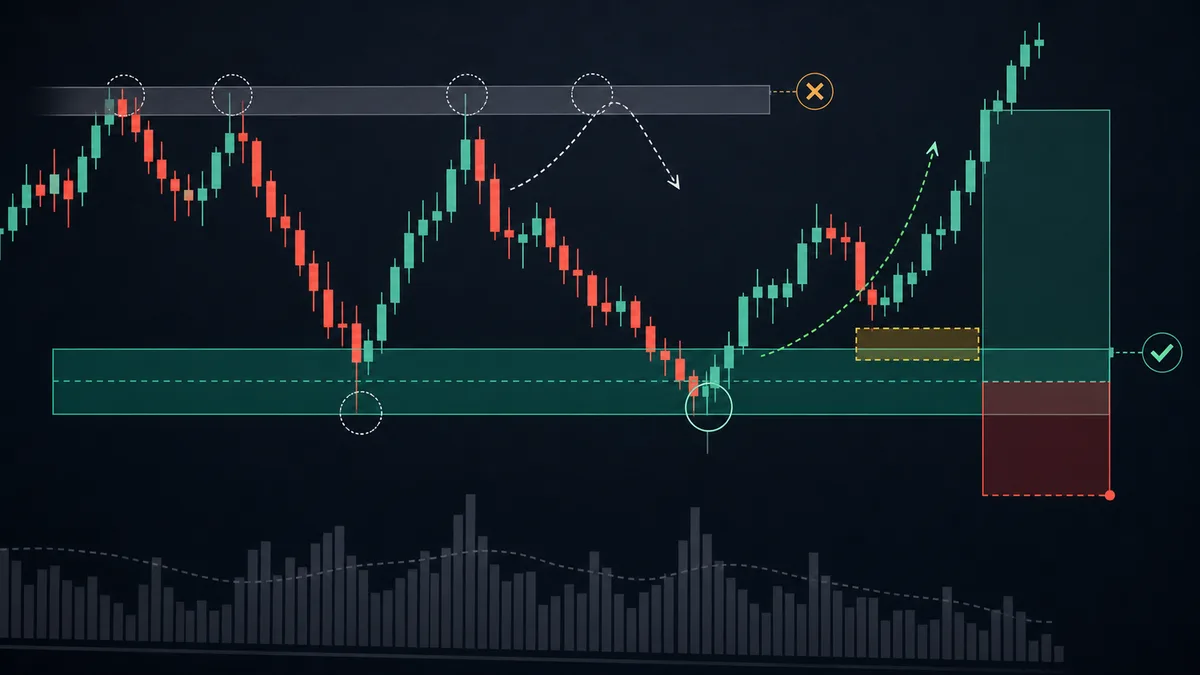
A fresh SNR level is not an automatic entry. It is only a higher-quality area to watch. The trader still needs a trigger, invalidation and stop-loss logic. This distinction is important because many traders become overconfident when they see a fresh level. They enter too early and forget that the market can still slice through the zone.
For a fresh support level, a trader may wait for price to return, show rejection, and create a lower-timeframe trigger. The invalidation may sit below the zone, below the reaction low, or below the structural point that should hold if the idea is valid. The exact rule should be tested.
For a fresh resistance level, the trader may wait for price to rally into the zone, fail to accept above it, and then show a bearish trigger. Invalidation may sit above the zone or above the relevant swing high. If price closes strongly above the zone and accepts there, the short idea may no longer make sense.
Unfresh levels require extra caution. Because the zone has already been tested, the next reaction may be weaker or messier. A trader may choose to reduce risk, require stronger confirmation, use the level only as context, or skip the trade entirely. The decision depends on the trading plan, not hope.
Stop-loss placement should respect both level quality and invalidation. A fresh zone may allow a cleaner stop because the structure is clearer. An unfresh zone may require a wider stop because price has chopped through the area. If the required stop makes the risk too large, the best decision may be no trade.
Targets should also account for nearby opposing levels. A fresh support entry directly below a strong resistance zone may not offer enough room. A fresh resistance entry directly above support may have the same problem. Zone quality does not replace reward-to-risk planning.
The practical rule is simple: grade the level first, then decide whether a trade is worth planning. Do not plan the trade first and then search for reasons to call the level fresh.
Common Mistakes and Checklist
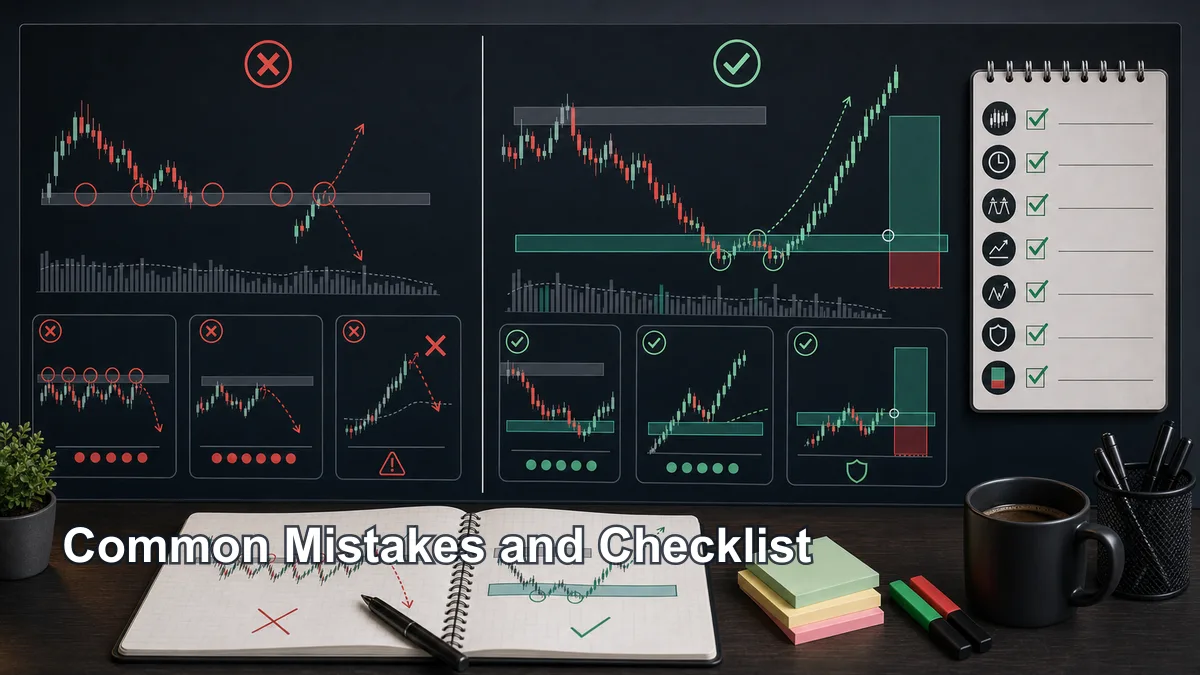
The first mistake is assuming more touches mean stronger support or resistance. Sometimes repeated touches show importance, but they can also show consumption. Watch how price reacts after each test, not only how often it touches the zone.
The second mistake is calling every first return fresh. A level may look fresh on the entry timeframe but be unfresh on the higher timeframe. Always check context before grading.
The third mistake is ignoring reaction strength. If the first reaction from a level is weak and price returns quickly, the zone may already be losing quality. A fresh label should not override visible price behavior.
The fourth mistake is using unfresh zones as automatic reversal areas. An unfresh support level can break. An unfresh resistance level can be reclaimed. If the level is messy, require stronger confirmation or skip it.
The fifth mistake is moving the stop because the level “should” react. No level has to react. If invalidation is reached, the trade idea has failed according to the plan.
Use this checklist before trading a fresh or unfresh SNR level:
- The original zone is clearly marked.
- The level is based on meaningful candle body or close-open structure.
- Meaningful retests have been counted honestly.
- Reaction strength after each test has been reviewed.
- The higher-timeframe context supports the grade.
- The zone is graded use, wait or skip before the outcome.
- A trigger is required before entry.
- Invalidation is defined before position sizing.
- The stop loss makes sense for the zone quality.
- The setup will be reviewed after completion.
CTA: To connect fresh and unfresh levels with the complete framework, read the Full MSNR Guide. For risk planning around level failure, continue with practice MSNR without risking real money.
FAQs About Fresh vs Unfresh SNR
What is a fresh SNR level?
A fresh SNR level is a support or resistance zone that has not been significantly retested after it was created. It may offer a cleaner area to watch, but it can still fail.
What is an unfresh support resistance level?
An unfresh level is a zone that has already been tested or interacted with several times. It may be weaker, wider or harder to trade, depending on reaction quality and context.
Is a fresh level always better?
No. Freshness is only one filter. A fresh level in poor market context can fail, while an unfresh higher-timeframe level may still matter.
Should I avoid all unfresh levels?
Not always. You can use unfresh levels as context, wait for stronger confirmation, reduce risk, or skip them if they are too messy.
Does fresh vs unfresh SNR guarantee entries?
No. Freshness helps grade zone quality, but entries still require trigger, invalidation, stop-loss logic and risk management.
Author note: Prepared by the Hoc Lam Trader editorial team for educational use. This guide was updated on May 11, 2026. Use screenshots, historical testing and demo practice before live trading, and never treat a fresh level as a guaranteed reaction.
Key takeaways
- A fresh MSNR level has not been revisited after its defining departure, while a tested level has already received one or more returns.
- Freshness is a descriptive filter, not direct evidence of remaining orders or a guaranteed bounce or rejection.
- Record the number and depth of retests and compare results without changing the freshness definition.
- A valid plan separates location, trigger, invalidation, position size and exit logic.
A validation workflow you can reproduce
- Define the sample: choose the market, timeframe, session and date range before reviewing outcomes.
- Write the rule: Record the number and depth of retests and compare results without changing the freshness definition.
- Record invalidation: identify the observable price event that disproves the setup.
- Include execution costs: account for spread, commission and slippage where relevant.
- Validate separately: test the finished rule on data that was not used to create it.
When this concept is unreliable
The filter is unreliable when partial touches are ignored selectively or fresh is used as a synonym for certain to hold. Keep failed and skipped examples in the journal so the review is not limited to attractive winners.
Use this concept within a complete analysis
This method should remain connected to its parent framework and adjacent decision steps. Use How to Draw Malaysian SNR Levels Step by Step, Support Level in MSNR: How to Identify High-Quality Demand Zones, What Is MSNR Trading? Meaning, Logic and Beginner Rules, How MSNR Uses Close and Open Prices Instead of Random Wick Lines, MSNR Terminology: SNR, Fresh Level, Storyline, Rejection and Confluence and MSNR Chart Setup: What Tools, Timeframes and Templates You Need to compare definitions, establish context and avoid treating one signal as a complete trading system.
References and methodology
Terminology note: SMC, ICT and MSNR terms are practitioner conventions, not standardized exchange or regulatory definitions. This article defines the convention it uses and avoids inferring participant identity from candles alone.
- CME Group — Technical Analysis
- CFTC — Eight Things to Know Before Trading Forex
- CME Group — Chart Types: Candlestick, Line and Bar
Practise before considering real capital
Use historical charts or a demo account to test the written rules before considering live execution. Review the Exness account and demo information. Availability, protections and trading conditions depend on jurisdiction, so review the applicable legal documents yourself.
Affiliate disclosure: Học Làm Trader may receive a commission if you open an account through this link, at no additional cost to you. This relationship does not determine the educational conclusions.
Risk warning: This article is for education and general information only. It is not investment advice, a trade signal or an invitation to trade. Trading can result in loss of capital, and past examples do not guarantee future results. Assess your own circumstances and risk tolerance.
Related reading: EQH and EQL in MSNR: Reading Liquidity Above and Below a Zone